2026 Aug 12
Fantic MXGP Team: Tsubaki Chains Interview
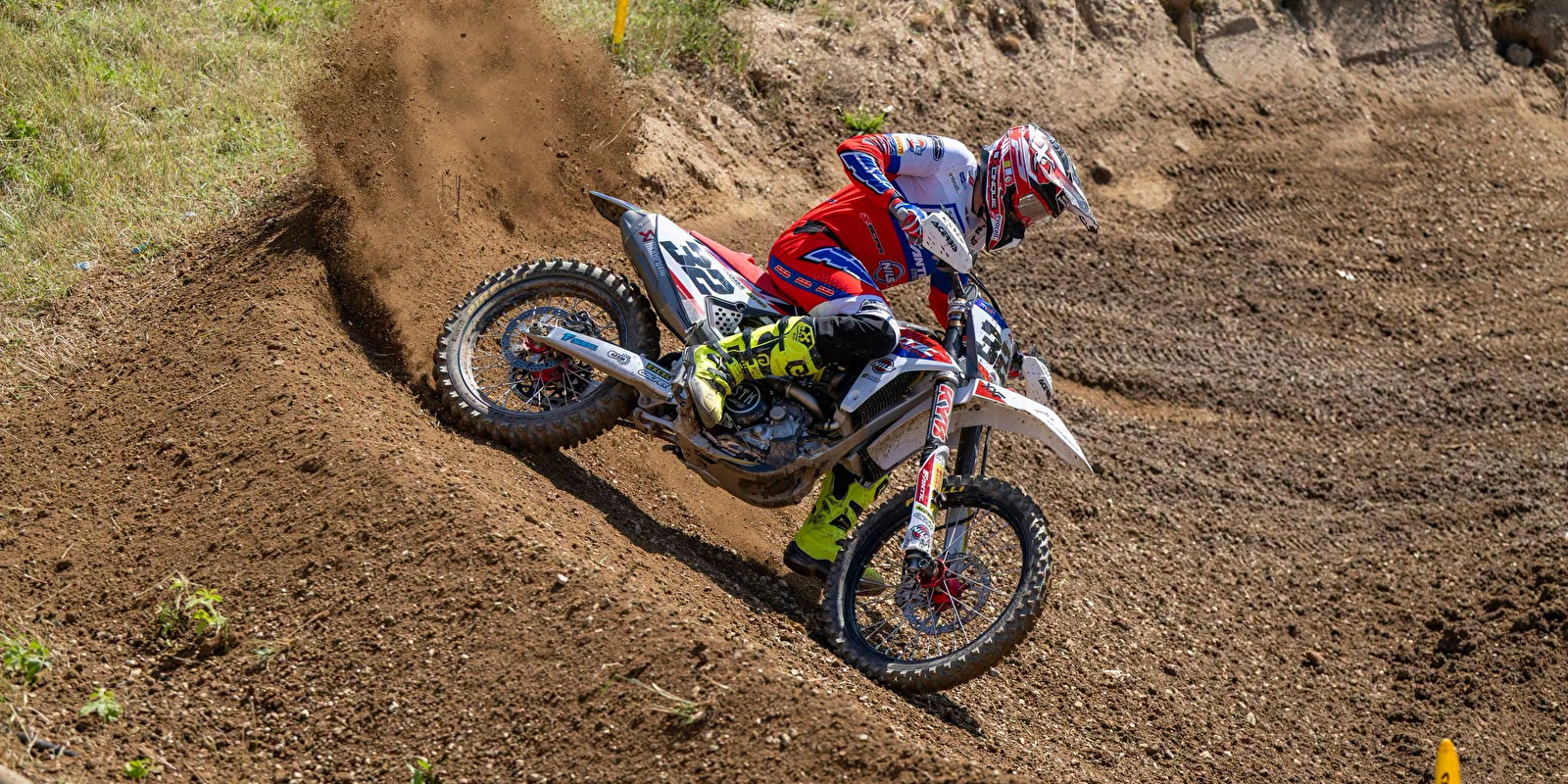
The JM Racing team has been a household name inside the MXGP paddock, run by the 1993 500CC World Champion Jacky Martens. 2026 saw the team take on a new challenge and a new name, as they are now the Fantic Factory Racing Team. And despite all these novelties, one thing remained constant inside the team: the use of Tsubaki chains. Time to pick Jacky’s brain about chains, working with Tsubaki, and the future of the team.
Conditions in MX vary per track, with changing weather also a big factor when it comes to track conditions. Is there a different chain setup depending on the circumstances, and how do you decide what setup to use?
“Track conditions in motocross can vary a lot, so we adjust our chain setup accordingly. In dry conditions, whether on sand or hard-pack tracks, we use a standard, non-sealed chain because it is lighter, helping to keep the bike as light and agile as possible. In muddy conditions, we switch to an X-ring chain. Its sealed design helps keep mud, dirt, and water out of the chain, reducing wear and ensuring reliable performance throughout the race.”
With many sessions, a qualifying race, and two races on Sunday, the technical package takes a beating in MXGP. The same goes for the chain of course; how many chains do you use per weekend / per season?
“We replace the chain before every race. Even if a chain looks perfectly fine, there may be small impacts or damage from stones during previous rides that may not be visible to the naked eye. To ensure maximum reliability and performance, we always want the bike to be in the best possible condition when lining up at the gate.”
Is there a specific routine you follow when it comes to the chain in between sessions?
“After the first practice sessions, we set the chain to the optimal tension and clearance. With the Tsubaki chain, this setting remains very consistent throughout the weekend, so further adjustments are rarely needed. Only in exceptional cases do we make small corrections.”
What are the main characteristics you look for when deciding on the chain for your technical package?
“MXGP is the pinnacle of motocross, and with the level being so high you don’t want any excuses when it comes to the materials we use. In short: we only want the best ingredients for our technical package, and Tsubaki chains are the best ones around. Also, if we have any feedback or any questions, we can always discuss this together to improve or change whatever is needed.”
Is there a difference between riders when it comes to their chain setup, and if so, what are the main differences?
“No, the riders don't pay specific attention to the chain. Their focus is on having a bike that performs at its best. As a team, we take care of all the technical details, ensuring every component is properly prepared and race-ready.”
What are the hardest conditions for an MX chain, and how do you deal with these conditions?
“Gravel and muddy conditions are the toughest on the calendar. To improve performance in these conditions, we make small modifications to the front and rear sprockets by adding grooves that help mud and dirt escape more easily. This prevents dirt from building up between the chain and sprockets, helping the drivetrain run more smoothly and reliably throughout the race.”
How did the partnership with Tsubaki come about, and why did you decide on working together with Tsubaki?
“Our partnership with Tsubaki dates back to 1993, when I became the first rider to race a four-stroke bike in the Motocross World Championship. At the time, the powerful characteristics of the 633cc four-stroke engine put a lot of stress on the chain, causing issues with chain performance and durability. Together with Tsubaki, we developed a new chain designed to better handle these heavy loads and transfer power more efficiently from the engine to the rear wheel. That collaboration marked the beginning of our partnership, which continues today, built on high-performance products and a strong relationship.”
Since this year, you’re the official Fantic Factory Racing Team, a factory that has been successful in recent years. How does working as a factory team differ from a private team, and how did you adapt to this status throughout this season?
“Our setup with Fantic is very similar to what we had with Honda when it comes to the chain. We have continued using the same chain specification, and it has proven to be highly reliable. With the Fantic project, just as with Honda, we have experienced no chain-related issues.”
While there are still some rounds left on the calendar, how would you consider the season so far? Did you achieve your goals for this year?
“This season has been challenging due to several injuries, which is unfortunately part of motocross racing. Despite these setbacks, the team remains fully focused and motivated. Our goal is to make the most of the remainder of the season and continue delivering the best results possible.”
Last but not least: what is your main objective for the future, and are there any changes to be expected for next season?
“Our current agreement with Fantic was initially set for one year, and we are now in discussions about the future. Regardless of the partnership details, our goal remains the same every season: to keep developing and improving the bike, taking its performance to the next level.”