2026 Feb 26
Motorcycle Chain FAQs: Your Questions Answered
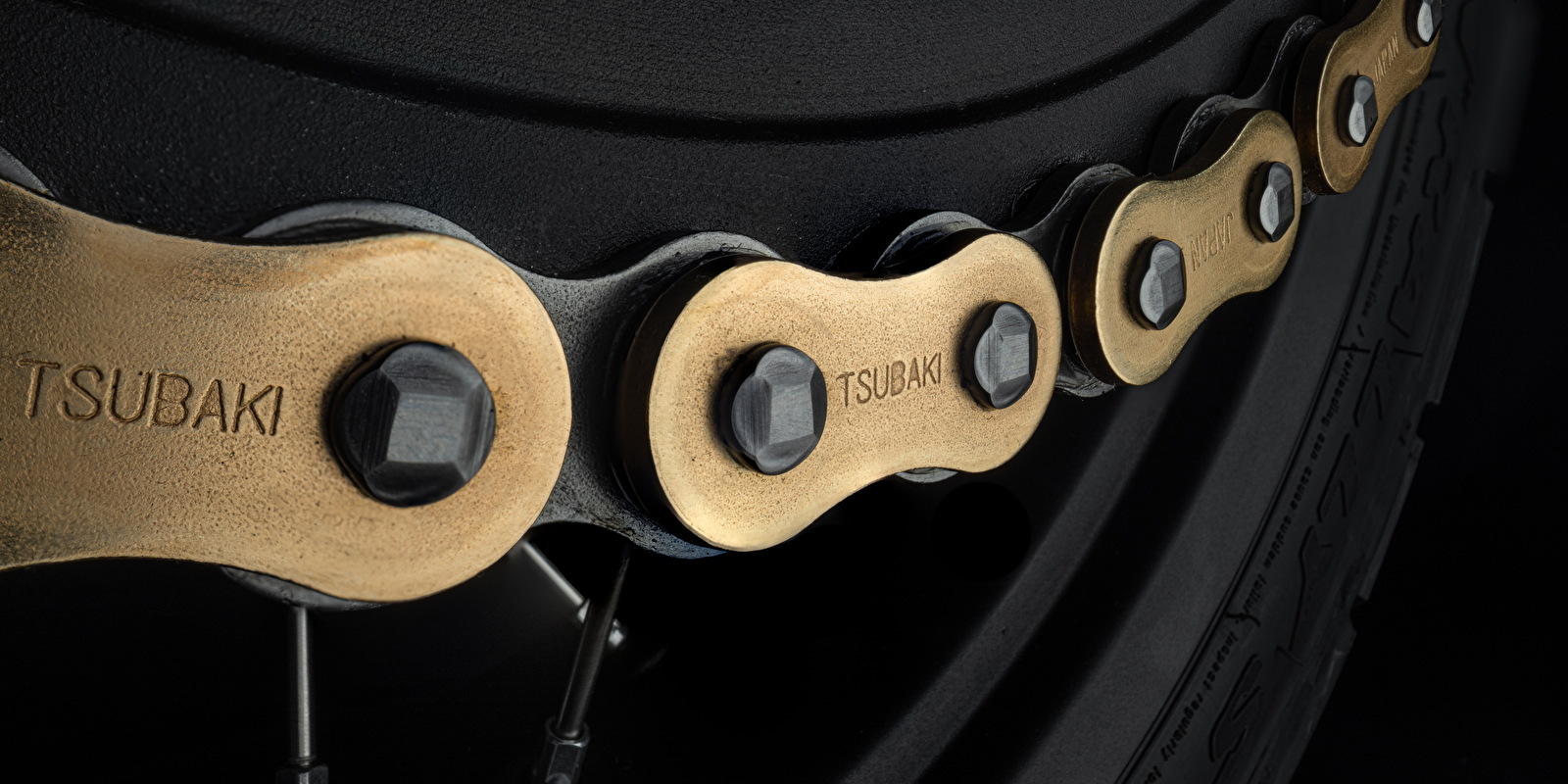
When everything goes according to plan, it’s easy to take a chain for granted. However, with it being the driving force on any of your rides, it’s good to understand what you’re dealing with. We’ll take you through the most frequently asked questions, so you can consider yourself a Master of Chains.
What’s the life span of a chain?
Although this of course depends on the kind of usage, the average chain used on the roads can last between 20.000 and even 40.000 kilometers. This is an average, and to get the most out of your chain it’s important to keep it clean and well-greased to keep everything running smoothly.
How do I maintain my chain?
As said, keeping everything running smoothly is key. Not only to get the most mileage from your chain, but also to keep the power transfer between the engine and the rear wheel as smooth as possible. Keeping your chain clean prevents debris from locking up links, which can disturb the routing of your chain. When everything is kept clean, the right chain grease helps to keep things running freely without excessive resistance. This also keeps out dirt from your chain as a big plus.
Do I need a specific chain for my bike?
Yes, each bike comes with different requirements when it comes to chains. High-power superbikes can offer over 200 horsepower, which requires a stronger chain to cope. If you use this chain on a smaller displacement bike, you’ll notice it can be too rigid for your engine’s performance. Another example is motocross, where it’s common to use a non-sealed chain to reduce friction. In short, every bike needs its specifically engineered chain. Luckily you can find them all in the catalogue on our website which you can find here.
Why do I need to adjust my chain, and how do I do it?
Each motorcycle chain needs to be properly installed, with the right amount of slack. This is bike specific and usually covered in the owner's manual of your bike. But why is it needed? If your chain is too tight, it causes excessive wear or even the risk of snapping. If it’s too loose, your chain might come off the sprocket, potentially causing your wheel to lock up. Once you find your bike’s specific slack measurement, loosen the rear axle by undoing the nut and tighten the adjuster bolts to move the wheel back, or loosen it to move the wheel forward. Check the alignments before re-tightening the axle, and check the slack one more time when everything is secured again.
When do I need to replace my chain?
There are various signs that show you that it’s time to change your chain. If your sprockets are showing hooked teeth, the chain can be pulled away from the sprockets, increasing the risk of your chain running off. The same goes for stiff or kinked links in your chain, which prevent the chain from running freely. Another sign to look out for is when your chain cannot be adjusted any further. This shows that it’s stretched out, meaning it’s time to go for a new chain. We have developed an easy-to-use Chain Wear Indicator, but you can also measure elongation with a set of calipers. We recommend replacing your chain when it has reached 1% elongation or beyond.
There you have it, a run-down of the most frequently asked questions around motorcycle chains. Find out more information by browsing our website, and make sure to visit our catalogue to find out what options we have engineered for your bike.